DIY Tips for Your Gold Coast Landscape Project
- emergeconstruction
- Feb 1
- 4 min read
Creating a beautiful landscape in your Gold Coast home can be a rewarding experience. With its stunning coastal views and vibrant flora, the Gold Coast offers a unique opportunity to design an outdoor space that reflects your personal style. Whether you're looking to enhance your garden, create a relaxing outdoor area, or improve your home's curb appeal, this guide will provide you with practical DIY tips to help you achieve your landscape goals.
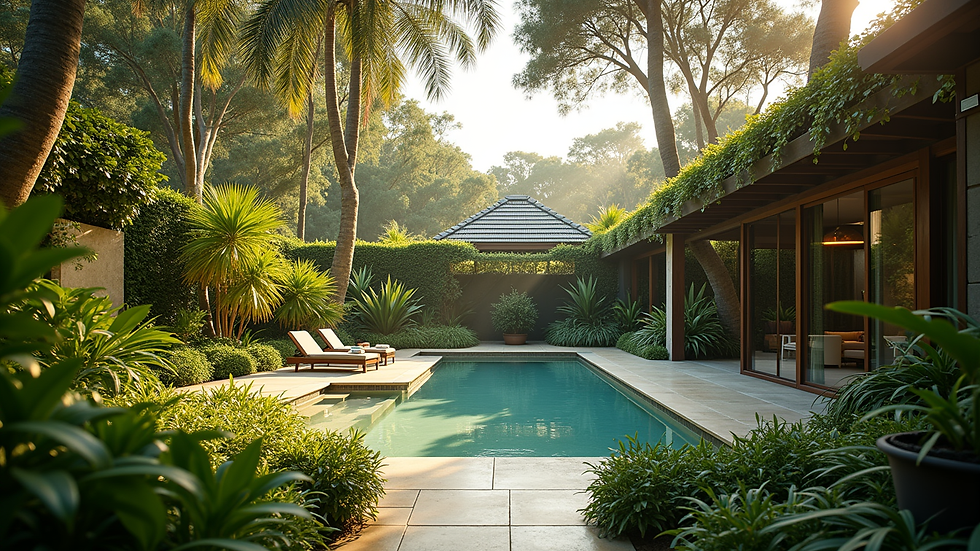
Understanding Your Landscape
Before diving into your landscape project, it's essential to understand the unique characteristics of your Gold Coast property. The region's subtropical climate means you can grow a wide variety of plants, but it also comes with challenges such as sandy soil and occasional drought. Here are some key factors to consider:
Climate and Soil
Climate: The Gold Coast enjoys a warm climate with mild winters. This allows for year-round gardening, but it also means you need to choose plants that can withstand heat and humidity.
Soil: Many Gold Coast properties have sandy soil, which can drain quickly. Consider conducting a soil test to determine its pH and nutrient levels. This will help you choose the right plants and amendments.
Sunlight and Shade
Observe how sunlight moves across your property throughout the day. Different areas may receive varying amounts of sunlight, which will influence your plant choices.
Full Sun: Areas that receive direct sunlight for most of the day are ideal for sun-loving plants like succulents and flowering perennials.
Partial Shade: Areas that receive some shade can support a mix of sun and shade-loving plants, such as ferns and certain shrubs.
Full Shade: Shady areas may require plants that thrive in low-light conditions, such as hostas or shade-tolerant ground covers.
Planning Your Landscape Design
Once you have a good understanding of your landscape, it's time to plan your design. A well-thought-out plan will help you visualize your project and ensure that all elements work harmoniously together.
Create a Design Layout
Start by sketching a layout of your yard. Include existing features such as trees, pathways, and structures. Consider the following elements:
Focal Points: Identify areas where you want to draw attention, such as a beautiful tree, a water feature, or a seating area.
Pathways: Design pathways that lead visitors through your garden. Use materials like gravel, pavers, or timber to create a natural look.
Zones: Divide your landscape into zones for different purposes, such as a vegetable garden, a relaxation area, or a play space for children.
Choose Your Plants Wisely
Selecting the right plants is crucial for a successful landscape. Here are some tips for choosing plants that will thrive in the Gold Coast environment:
Native Plants: Consider incorporating native plants into your landscape. They are adapted to the local climate and require less maintenance. Examples include the Banksia, Grevillea, and Callistemon.
Drought-Resistant Plants: With the potential for dry spells, choose drought-resistant plants like Agave, Lavender, and Lantana to reduce water usage.
Seasonal Color: Plan for year-round color by selecting plants that bloom in different seasons. For example, Bougainvillea adds vibrant color in summer, while Camellias bloom in winter.
Preparing Your Site
Before planting, it's essential to prepare your site properly. This step will set the foundation for a thriving landscape.
Clear the Area
Remove any weeds, debris, or unwanted plants from the area where you plan to plant. This will help prevent competition for nutrients and water.
Amend the Soil
If your soil test indicates deficiencies, consider adding organic matter such as compost or well-rotted manure. This will improve soil structure and provide essential nutrients for your plants.
Plan for Irrigation
Depending on your plant choices and the layout of your garden, you may need to install an irrigation system. Drip irrigation is an efficient option that delivers water directly to the roots, minimizing waste.
Planting Your Landscape
Now that your site is prepared, it's time to plant! Follow these steps to ensure successful planting.
Timing is Key
The best time to plant in the Gold Coast is during the spring or early autumn when temperatures are milder. This allows plants to establish roots before the heat of summer or the cooler winter months.
Planting Techniques
Digging Holes: Ensure that holes are twice as wide as the root ball but no deeper than the root ball itself. This encourages lateral root growth.
Spacing: Follow spacing guidelines for each plant type to ensure they have enough room to grow without overcrowding.
Watering: Water plants thoroughly after planting to help settle the soil around the roots.
Maintaining Your Landscape
Once your landscape is planted, ongoing maintenance is essential to keep it looking its best.
Watering
Regular watering is crucial, especially during the establishment phase. Monitor soil moisture and adjust your watering schedule based on rainfall and temperature.
Mulching
Applying a layer of mulch around your plants helps retain moisture, suppress weeds, and regulate soil temperature. Organic mulches, such as wood chips or straw, also improve soil quality as they break down.
Pruning and Deadheading
Regular pruning and deadheading (removing spent flowers) encourage new growth and prolong blooming periods. Be sure to research the specific needs of each plant type.
Adding Decorative Elements
Enhancing your landscape with decorative elements can add personality and charm to your outdoor space.
Garden Features
Consider adding features such as:
Water Features: A small pond or fountain can create a tranquil atmosphere and attract wildlife.
Seating Areas: Create a cozy nook with benches or chairs where you can relax and enjoy your garden.
Lighting: Outdoor lighting can highlight key features and extend the usability of your space into the evening.
Art and Accessories
Incorporate garden art, sculptures, or decorative pots to add visual interest. Choose pieces that complement your overall design and reflect your personal style.
Conclusion
Transforming your Gold Coast landscape into a beautiful outdoor oasis is an achievable goal with the right planning and effort. By understanding your environment, carefully selecting plants, and maintaining your garden, you can create a space that enhances your home and provides enjoyment for years to come.
Remember, landscaping is a journey, not a destination. Embrace the process, learn from your experiences, and enjoy the beauty of your outdoor space. Happy gardening!


Comments